Ulan: When a Blessing Becomes a Storm
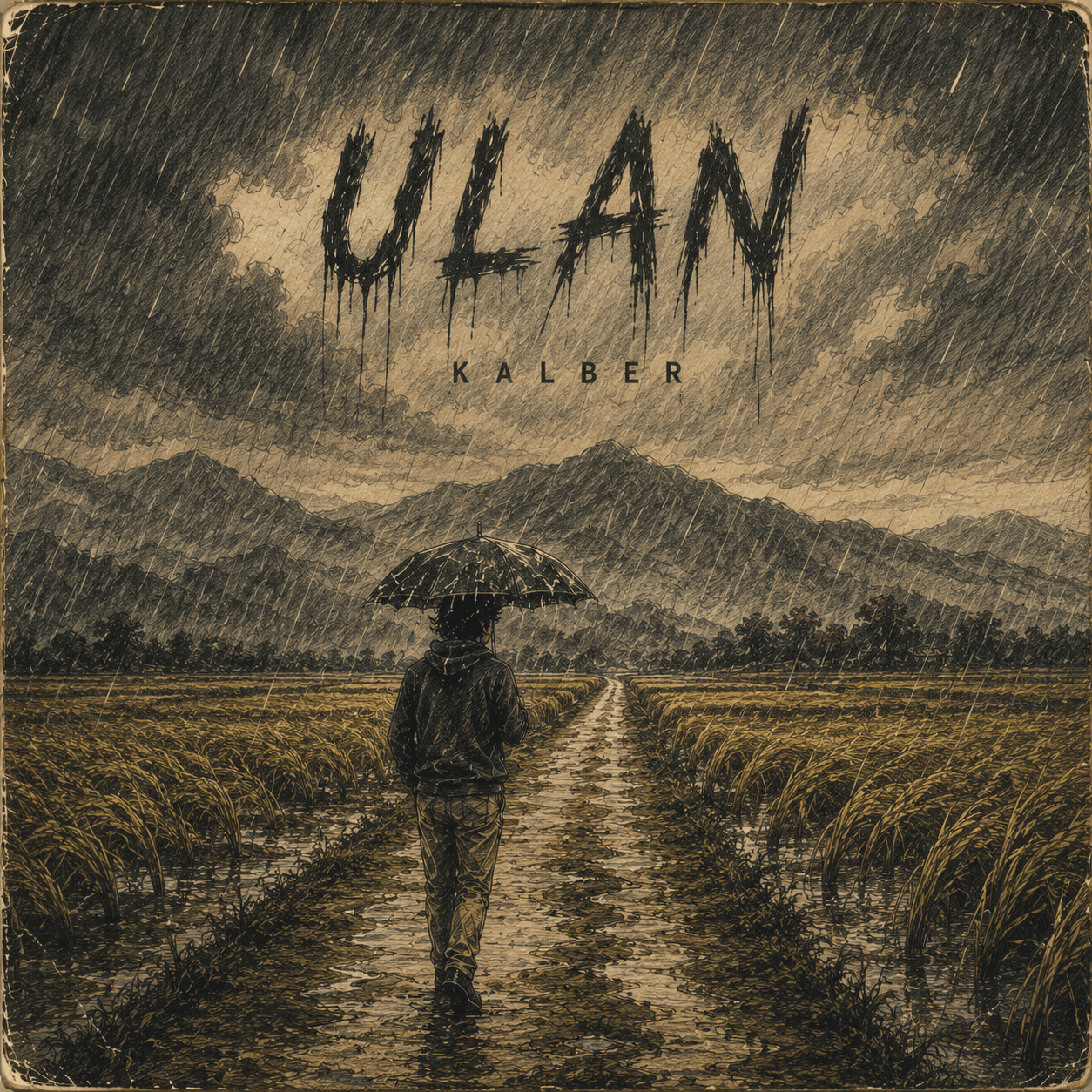
Listen to Ulan by KALBER while you read.
There was a time when listening to music meant more than pressing a button.
When I was younger, music came through cassette tapes. I would hold the cassette cover, read the lyrics, study the photographs, and go through every piece of writing about the artist or the album. Sometimes, knowing the story behind a song made me listen to it differently. I noticed details I had missed before. I understood why a certain line was written, why the music changed, or why the singer delivered a word in a particular way.
That experience stayed with me.
This is why I want to share the story behind Ulan — not to dictate what the song should mean to you, but to give you another way of listening to it.
The Rain We Wait For
Ulan begins under the heat of the sun.
The soil is dry and cracked. The fields that were once full of color have become covered in dust. A farmer watches hope slowly disappear while waiting and praying for rain.
For many of us, rain is an inconvenience. It delays travel, causes traffic, and changes our plans. But for farmers, rain can mean survival. It can mean crops, food, livelihood, and another chance to begin.
That is the first face of rain in this song: rain as hope.
The land itself is described as if it were alive — thirsty, tired, and pleading for the drought to end. When I wrote "puno ng buhay at pag-asa," I was not just saying the land would be full of life again. I meant it more literally than that. Puno, to me, is a tree — and what I pictured was a tree of life and hope finally being able to grow from that same cracked ground. The land is not simply waiting for the drought to pass. It is waiting for the rain so that something living can rise from it, take root, and stand. That is what rain means in this part of the song — not just relief, but renewal. The same way rain lets a tree grow out of dry, broken earth, I think the hard seasons in our own lives can become the ground something new grows from too.
The First Drop
As the sky begins to darken, the mood of the song changes.
Clouds gather. People come outside. Everyone waits for the first drop of rain.
Then comes the invitation: "Tara na't sumayaw, paa ay iindak, salubungin natin ang unang patak."
After a long drought, the rain is not merely water. It is relief. It is something worth celebrating.
The song follows a waltz-like rhythm, a repeating movement of three beats. To me, that rhythm feels like swaying, dancing, or watching drops of rain fall continuously. It gives the song a gentle circular motion.
But that same rhythm later takes on a different meaning.
When the Rain Does Not Stop
Several days pass, and the blessing begins to change.
The rain continues. The fields become submerged. Crops are destroyed. Homes are threatened. Lives are lost.
The rain that people once prayed for becomes the reason for their fear.
This is one of the central ideas behind Ulan: nature is neither simply good nor bad. What gives life can also destroy when balance is lost.
The song also asks us to look at our own responsibility.
Deforestation, environmental abuse, damaged waterways, poor planning, and neglect all contribute to the disasters that communities experience. We often blame nature when tragedy happens, but sometimes the greater question is what people have done — or failed to do — before the storm arrived.
The chorus says: "Ulan, ulan di mapipigilan, biyaya sa atin ng kalikasan, kapag inabuso ng katawhan, ulan, ulan kailanman, di na matitikman."
Rain is a gift of nature. But gifts also require care.
The Storm Inside Us
Near the end, the song moves away from the farms, the floods, and the wider community. It enters a quieter and more personal place.
"Ulan, ulan di mapipigilan, yakapin nang mahigpit ang unan, bumabagabag sa kalooban, panandaliang kalimutan."
This part came from a familiar feeling.
Sometimes, while rain is falling outside, we find ourselves lying in bed with many things on our minds. Financial problems, responsibilities, worries, unanswered questions, and fears about what tomorrow may bring can feel heavy inside the chest.
The rain does not solve those problems. A pillow does not make them disappear.
But sometimes, listening to the rain, closing our eyes, and holding a pillow can give us a brief moment of relief. Even if the worries return, forgetting them for a little while can help us breathe.
That is what "panandaliang kalimutan" means to me. Not surrender. Not avoidance. Just rest.
Sometimes, a person needs a quiet moment before finding the strength to stand again.
More Than a Song About Weather
Ulan can be heard as an environmental song, but it is also about life.
There are seasons when we wait for something desperately. When it finally arrives, we celebrate. But sometimes, the very thing we prayed for brings challenges we did not expect.
There are also storms we cannot prevent. Some come from nature. Others come through circumstances, loss, uncertainty, or the burdens we carry silently.
We may not be able to stop every storm, but we can learn to respect nature, care for one another, and allow ourselves to rest when the weight becomes too much.
Before You Listen Again
When you listen to Ulan, try to follow the journey.
Picture the dry and cracked land. Feel the anticipation as the clouds gather. Join the people waiting for the first drop. Dance with them when the rain finally comes.
Then listen as the celebration slowly turns into fear. And near the end, imagine yourself in a quiet room, lying down while rain falls outside — your problems still present, but softened for a moment by the sound around you.
Perhaps the song will mean something different to you. That is one of the things I love about music. A songwriter may begin with one story, but when the song reaches another person, it becomes part of their story too.
Ulan is my reflection on nature, farmers, disaster, responsibility, and the private storms we carry.
But once you listen to it, the meaning is no longer mine alone. It also becomes yours.
Ulan, ulan… tara na. Baka umulan.
Ulan is a song about waiting, hoping, celebrating, and learning. It tells the story of farmers longing for rain, the joy of the first downpour, and the painful reality that even a blessing can become destructive when nature is neglected.
Go to the Ulan song page →